From the Wards

Samantha M Rodriguez Samantha M Rodriguez (8 Posts)

Contributing Writer

Florida International University Herbert Wertheim College of Medicine


Samantha is a fourth-year medical student at Florida International University Herbert Wertheim College of Medicine in Miami, Florida class of 2022. In 2016, she graduated from Florida International University with a Bachelor of Science in Biology. She enjoys yoga, going to the beach, and reading in her free time. After graduating medical school, Samantha plans to pursue a career in Pediatrics.


Patient 15

Patient 15 was a fit 38-year-old female with a past medical history of dilated cardiomyopathy who presented for follow-up on her most recent echocardiogram results. Flipping through the past notes, prior echos, family histories, I was captivated. A previous echo revealed an ejection fraction of about 50% — her heart was already revealing its impending fragility. The most recent echo, just five months later, revealed an ejection fraction of 20% — her heart was failing!

A Clarification: Reducing Patient Fear

In the extremely efficient and fast-paced environment of health care, the emotional needs of patients and their families may become secondary to their medical treatment plan. But emotional stressors may be directly associated with poor outcomes in regards to the healing process and overall quality of life. Thus, these needs may be addressed by face-to-face communication that allows for better patient education. Such investment of time is most rewarding when both the patient and family members have the opportunity to explain their fears and worries regarding treatment.


The Family Meeting

In the neuro intensive care unit, I took part in a meeting with my team to update a family on the status of their loved one. It was my first time in this type of meeting, especially for a patient that I was directly involved in caring for. To our team of medical professionals, he is our 51-year-old male patient with a 45-pack-year smoking history, but to his family, he’s a son, a husband and a father.

The Vulnerability of Our Patients and Ourselves: A Parallel Chart Reflection

I actually don’t remember his name; he wasn’t my patient. I just saw him during rounds every day during my internal medicine clerkship. He was in his late-80s, and he was very ill. He had a long history of COPD, most likely attributed to his even longer history of smoking. He had been admitted to our service for a severe respiratory infection a few days prior to me starting the rotation. This was my last rotation of my 3rd year, and I walked in thinking I had seen enough COPD patients to know exactly what to expect.

Buddy

You were my first patient on my first inpatient rotation as a third-year medical student, which meant that I had absolutely no idea what was going on. I was mostly concerned with trying not to faint during presentations on morning rounds. I stared at your bowl of Cheerios, the cereal beginning to turn the skim milk a pale yellow. Your brow furrowed in annoyance behind your thick glasses.

“I Can’t Be Here Anymore”

Mr. K had been admitted with dehydration and malnutrition secondary to diarrhea in the setting of HIV. During his stay, he developed refeeding syndrome. When the resulting electrolyte imbalances paved the way for cardiac arrhythmias, he coded twice in the ICU. The care team managed to bring him back each time, but not without consequence; the brutality of numerous cycles of CPR left him with multiple rib fractures, inflicting him with sharp pain every breath. 

“Welcome to Medicine”

You don’t have to sit in silence and painfully nod along with an attending’s racist, misogynistic lectures because you’re their medical student. You don’t need to pick the skin off your cuticles to stop yourself from replying. You don’t need to learn how to hide your grimaces behind your mask because you know you’ll have to listen to them attack your identity for the next several weeks.

The Privilege of Patient Care

Each morning, Mr. E had a new concern — too hot, too cold, too dizzy, too stiff. He was admitted for what seemed to be a straightforward heart failure exacerbation, but his echocardiography showed severe hypertrophy in both sides of his heart that the cardiologists described as “concerning for infiltrative cardiomyopathy.”

The Anatomy Lesson

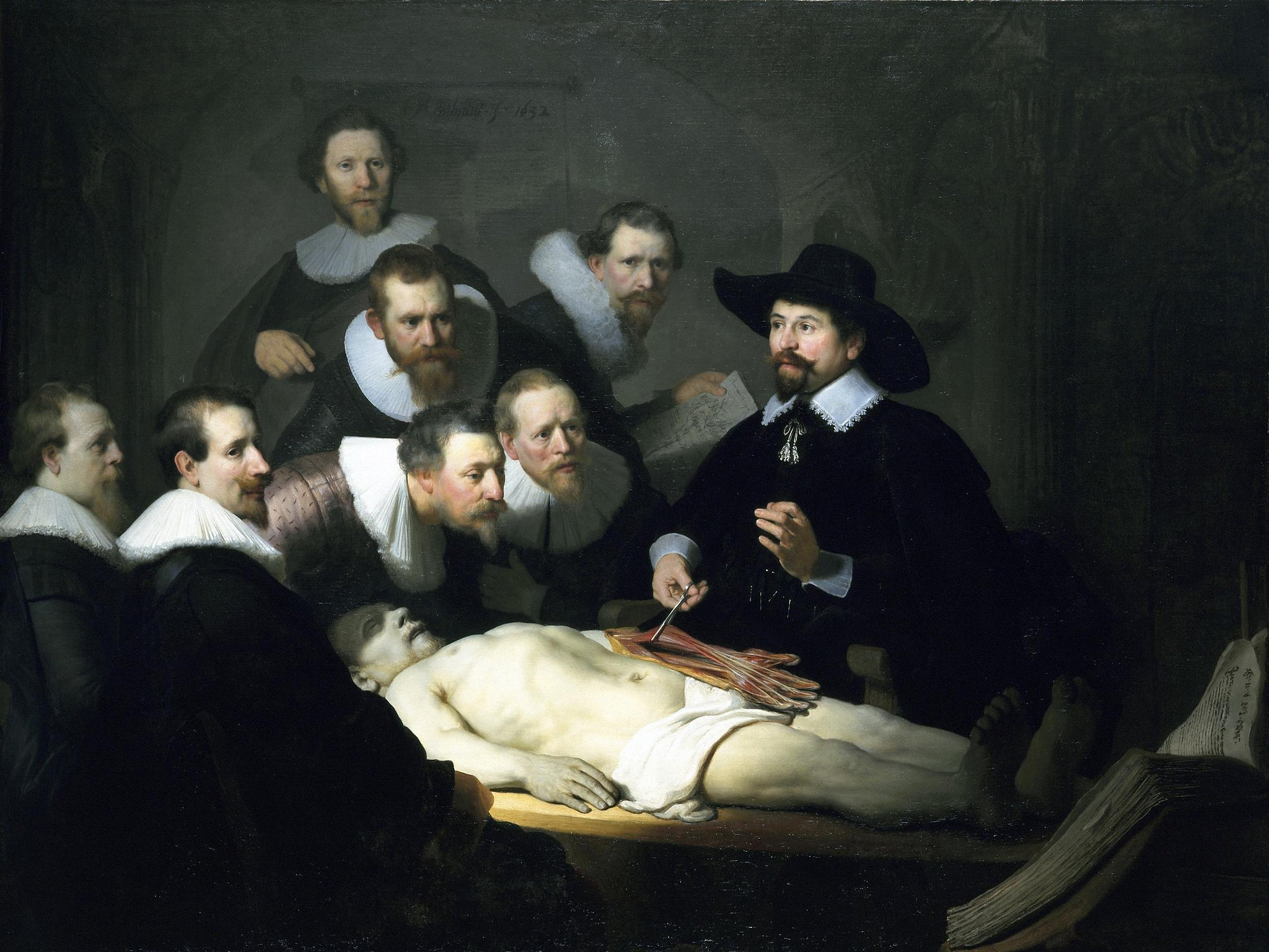
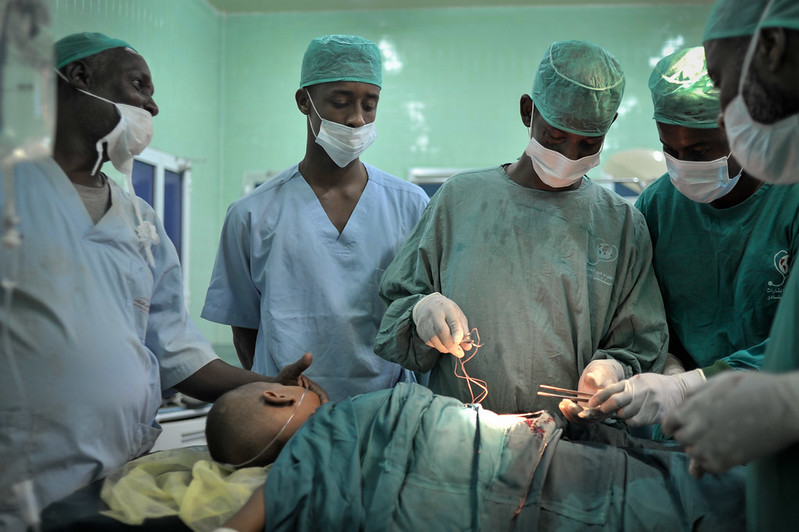
There were seven of us standing around the table as the attending surgeon debrided the infected fascia. The vascular surgeon came in the room and barked at us to identify the structures before us. “What’s that artery?” he interrogated us. “I’ll give you a hint,” he said, “there’s a deep and a superficial.” We named the sural nerve and iliotibialis band and the great saphenous vein. As we clamored around the table, I suddenly thought of the Rembrandt painting: The Anatomy Lesson of Dr. Nicolaes Tulp.

You’re Not a Bold, Knowledgeable Medical Student — You’re Just White

I knew I moved through these spaces easily for many reasons, but being White is a big one that needs to be said out loud. And when you look and feel more comfortable in a space, it is easier to perform “well,” or to sound confident. This is directly related to what academic medicine characterizes as “objective” evaluations of students, and there is data to support this.

Eric Bethea Eric Bethea (2 Posts)

Contributing Writer

Emory University School of Medicine


Eric Bethea is a fourth-year medical student at Emory University School of Medicine class of 2021. He graduated from the University of South Carolina in 2016 with a Bachelor of Science in economics. Before entering medical school, he spent a year serving with AmeriCorps in Jacksonville, FL. He is looking forward to writing about topics that don't often come up in medical school. In his free time, Eric enjoys running, basketball, movies, and cooking with his favorite crockpot.