
Match Day Spotlight 2017: Dermatology
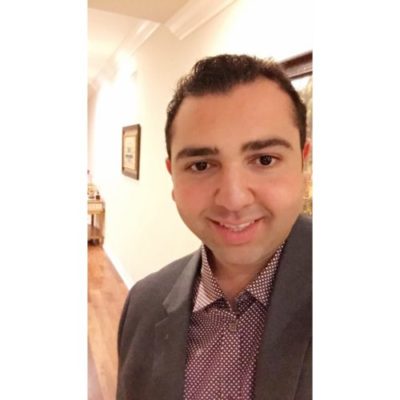
Jamal Saleh, current student and soon-to-be dermatology resident at Medical College of Wisconsin, is sharing his tips for medical school, USMLE and more.
Medical Student Editor Emeritus
Louisiana State University Health Sciences Center Shreveport
I am a proud alumnus of Louisiana State University, and yes, I do bleed purple and gold. I’m in the Class of 2018 at LSU Health Shreveport School of Medicine. I’ve run one marathon and a few halves – the latter being my favorite distance of the two. I believe in daily ice cream intake. When I’m not studying or running, I’m exploring new workout classes and outdoor adventures, training my large and adorable dog, Gumbeaux, or knitting to keep my fidgety fingers busy.


Jamal Saleh, current student and soon-to-be dermatology resident at Medical College of Wisconsin, is sharing his tips for medical school, USMLE and more.
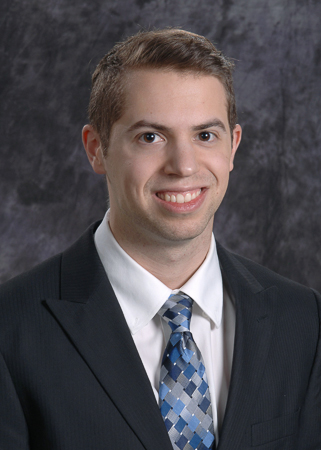
Howard Morgan, medical student at LSU Health Shreveport, recently matched into Radiation Oncology at University of Texas Southwestern. He’s here today to tell us some tips and tricks for surviving medical school and The Match.
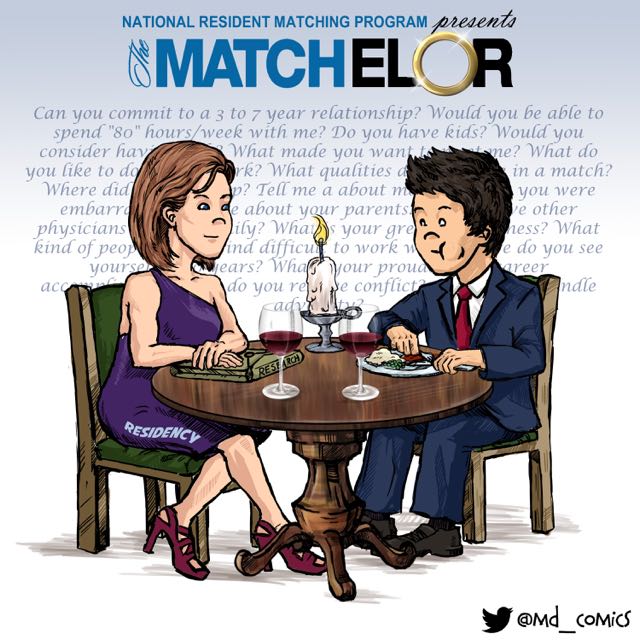
David Yu, comic creator and medical student at University of Washington School of Medicine, recently matched into general surgery at University of Texas at Houston. Today, he enlightens us with tips and tricks for getting through medical school.
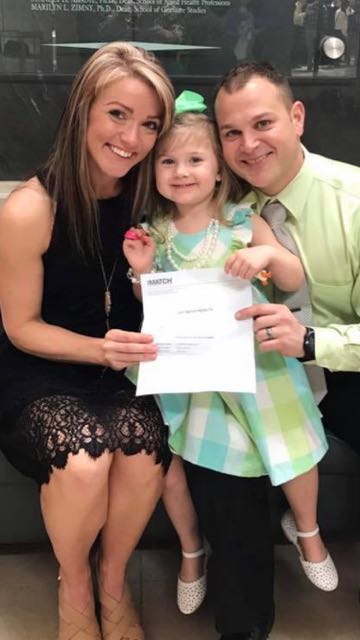
Cara Permenter, a fourth-year medical student at LSU Health Shreveport who recently matched into the family medicine residency at LSU Health Shreveport, talks to us about medical school, the match, and more.
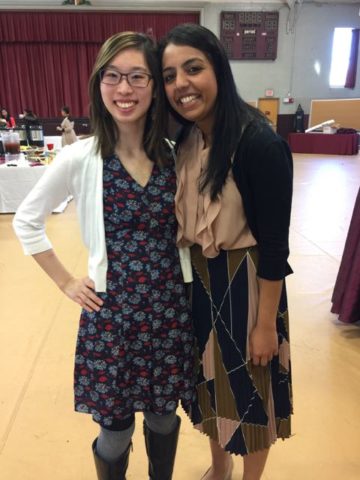
Nita Chen, fourth-year medical student at Albany Medical College, recently matched into Neurology at UC Irvine. She’s here today to share some tips that got her through medical school.
Whenever I consider my time in medical school, I am surprised by how quickly I have been able to cultivate a sense of belonging at the University of Wisconsin-Madison, far from home and in a very unfamiliar setting. After all, I grew up in a single-parent household with my dad in a small, weary mill town in central Massachusetts called Ware. He was a carpenter who always carried at least two jobs to make ends meet. I did not really thrive in medical school until my first rotation on the wards, where I was reintroduced to “my kind of people” — patients.

For most first-and second-year medical students, residency is only in their imagination, and it is not truly until the third and fourth years that it becomes something they can imagine very well. It is the mystical land of having ‘made it’: getting through medical school, having the title MD or DO finally applied to you, and being thrown head first into the clinical world.
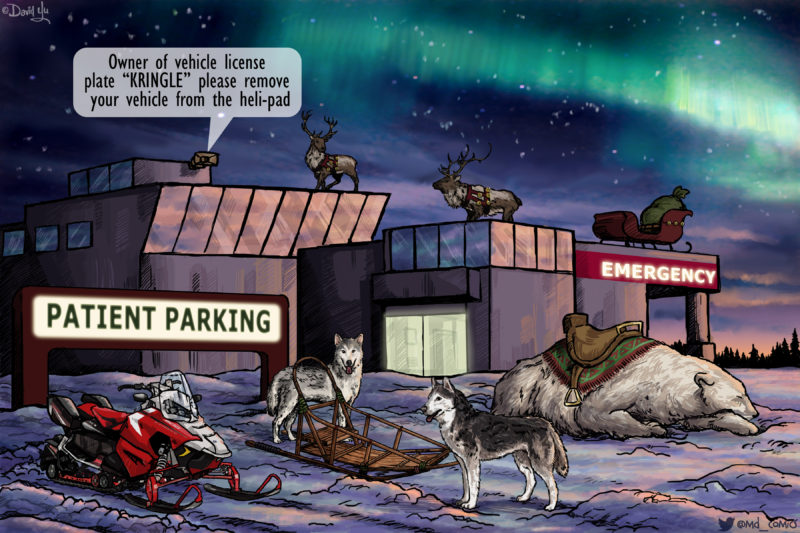
My foray into the wilds of Alaska was part a journey that my classmates and I call “the Safari.” While no African wildlife are spotted on the trip, bears and moose are plentiful, and the journey traverses over a quarter of the United States landmass, from four-room clinics serving towns of a few hundred people to the massive edifices of a level one trauma center and tertiary care university hospital serving five states. For those unfamiliar with the program, the University of Washington is the only allopathic medical school in the “WWAMI” region, comprising of Washington, Wyoming, Alaska, Montana, and Idaho; the school has clinical sites and regional teaching campuses in each of these states. Come third year, students can request rotations in the multiple hospitals in Seattle, or rotate at the regional sites.
The considerations in choosing a specialty are multiple. There are matters of lifestyle and compensation, of competitiveness and rigor. There is the push-and-pull of breadth versus depth, of procedure versus prose.
You’re almost through with med school—the exams, the lectures, the rotations—but here’s where things get really real. Now it’s time to apply for residency. Don’t take your foot off the gas pedal yet, though. Residency applications are just as nuanced as medical school applications. They require plenty of preparation and attention to detail to ensure you have a successful match. A key difference, however, is that applicants and residencies are both trying to find an appropriate fit with each other.
Pixie Sanders, a recent fourth-year medical student who matched to Banner University Medical Center South for family medicine, gives us her expert advice on succeeding in medical school and beyond.
After four tough years of medical school and student loans, facing down seven more grueling years of training, aspiring neurosurgeons enter a residency interview process that is as bizarre as it is effective.

Contributing Writer Emeritus
Columbia University's College of Physicians & Surgeons
Michael Cloney is a recent graduate of an MD/MPH dual-degree program at Columbia University's College of Physicians & Surgeons and Mailman School of Public Health. He writes as a Communication in Health and Epidemiology Fellow for The 2x2 Project, and a health columnist for Impakter Magazine. After 10 years in New York, he is excited to have moved home to join Northwestern University’s Department of Neurological Surgery this summer.
