

Black Clouds
I had just started my third year, and I had already witnessed six patients die. I had never been called a black cloud before this, but it immediately stuck and seemed fitting.

Contributing Writer
University of Louisville School of Medicine
Alyssa Brown grew up in Chattanooga, TN. She went to Centre College for a B.S. in Biology and minor in History. She fell in love with surgery after seeing her mentor perform an anoplasty during the first year of medical school. In July, she finished her third year of medical school and wandered off the beaten path to get a PhD, before finishing her MD. She is receiving her MD degree from University of Louisville School of Medicine, and her PhD in Biomedical Engineering and Physiology at Mayo Clinic School of Biomedical Sciences. She is currently working on research projects involving pediatric ulcer disease, diaphragm sarcopenia, and benign breast disease. She currently works as part of the AWS Blog Subcommittee and AWS Instagram Subcommittee. When she is not being a black cloud, you will probably find her in the pediatric surgery OR, baking sweets and pastries that she saw on “Great British Bake-Off”, or off on an adventure. You can find her on Instagram @alyssabrown1013 and Twitter @Alyssa_B_MDPhD
I had just started my third year, and I had already witnessed six patients die. I had never been called a black cloud before this, but it immediately stuck and seemed fitting.
Through my patient’s same wants and needs, I saw my own thoughts, feelings, hopes, dreams, fears and my own desire to be liked, to be wanted, to be needed. I felt, for the first time in a very long time, a genuine human connection.
Good times have never passed as quickly as the three months, ten days and twelve hours
I have spent under Dr. ***’s service.
My mind kept returning to the patient I had encountered earlier that day. I experienced this subtle feeling that something important had happened. I became curious about the man and his story, but above all, I wondered what the most important part of that appointment had been.
“We have a drug seeker in two,” the nurse declared. My preceptors responded with a long sigh, and they rolled their eyes in unison. My pulse quickened.
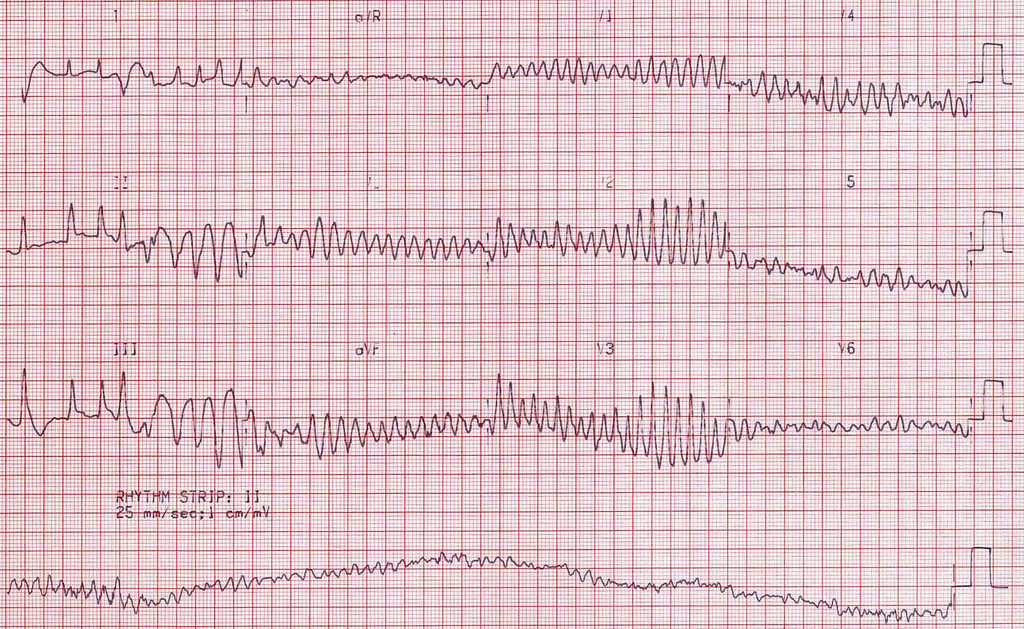
Overhead, we hear the monotone hospital announcer’s voice through the intercom system: “CODE BLUE. First floor. Short-term cardiac care unit. Room…”
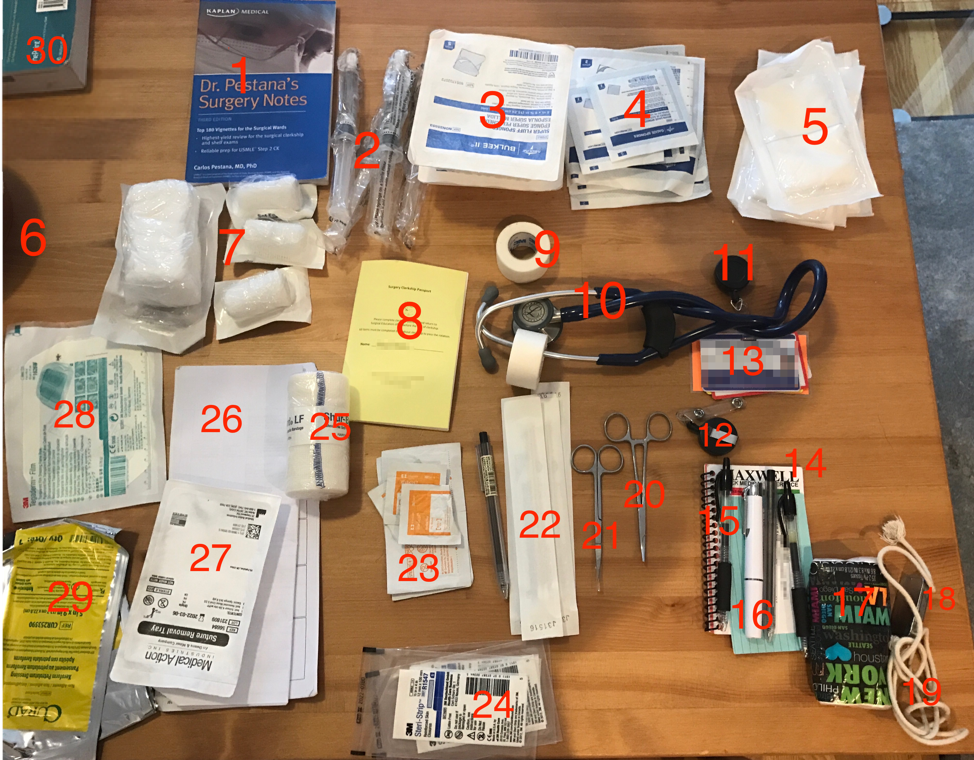
Though the white coat’s role in medicine today is complex — to some, a respected symbol of medicine’s history; to others, a antiquated relic of a paternalistic past — few medical students or frontline residents would deny this emblematic item one major utility: a source of pockets.

Medicine is a sacrifice. I knew this upon admittance into medical school. I did not know the sacrifice would be an erosion of my humanity.
“Are you okay, sweetie?” asks the intern as we start to ascend. She is completely unconscious, looking into nothingness. I start to feel the adrenaline. “I don’t think she’s okay,” remarks the intern.

In medicine, as in medical training, time is the enemy. There is not enough time to talk to patients or study for board exams. There is not enough time to read the latest literature. At the end of the day, there is not enough time to make plans with friends or develop a gym routine that is anything but sporadic.
Integrating a collaborative approach towards developing an individualized medication regimen while recognizing the patient’s personal goals will serve to further develop the physician-patient bond, and improve medication adherence.
While there is no way to choose our patients’ outcomes, we can certainly choose to be empathetic and compassionate regardless of their outcomes. Medicine without empathy and compassion is not medicine at all.

Contributing Writer
Geisinger Commonwealth School of Medicine
Zaira Chaudhry is a fourth year medical student at the Geisinger Commonwealth School of Medicine in Scranton, Pennsylvania. She completed her undergraduate studies at Cornell University and subsequently earned her MPH prior to matriculating to medical school. She spent a year as an orthopaedic surgery research fellow at the Rothman Institute in Philadelphia. Her interests include research, creative writing, public health, music, and exploring the outdoors. She is currently interested in pursuing orthopaedic surgery.