 Calli Morris (1 Posts)
Contributing Writer
University of Missouri-Columbia School of Medicine
Calli is a fourth year medical student at University of Missouri-Columbia School of Medicine in Columbia, MO class of 2020. In 2016, she graduated from University of South Carolina with a Bachelor of Science in chemistry in lowercase. She enjoys dancing, spending time with her family, and listening to true crime podcasts her free time. After graduating medical school, Calli would like to pursue a career in pediatrics.
The United States is the most heavily incarcerated country in the developed world, and with that comes many secondary consequences, including children growing up with incarcerated parents. Although efforts have been made to mitigate the harm associated with having an incarcerated parent, few are focused on meeting the direct health needs of these children through preventative health care.
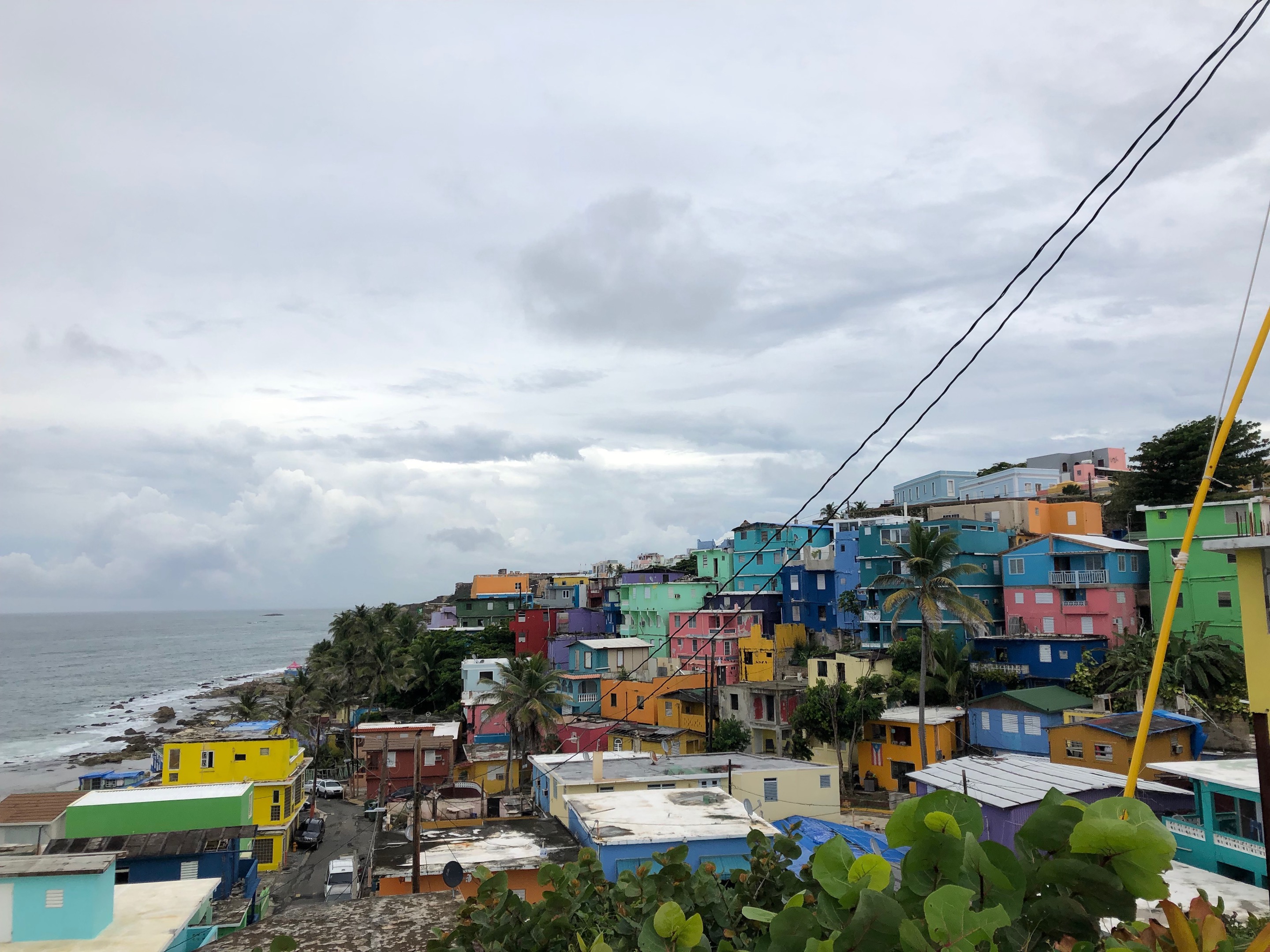
During our August delegation, we learned from Puerto Rican experts in their fields and acting first responders about implementing lasting social change since Hurricane María. Each expert’s lecture seemed to revolve around relief, recovery and resilience.
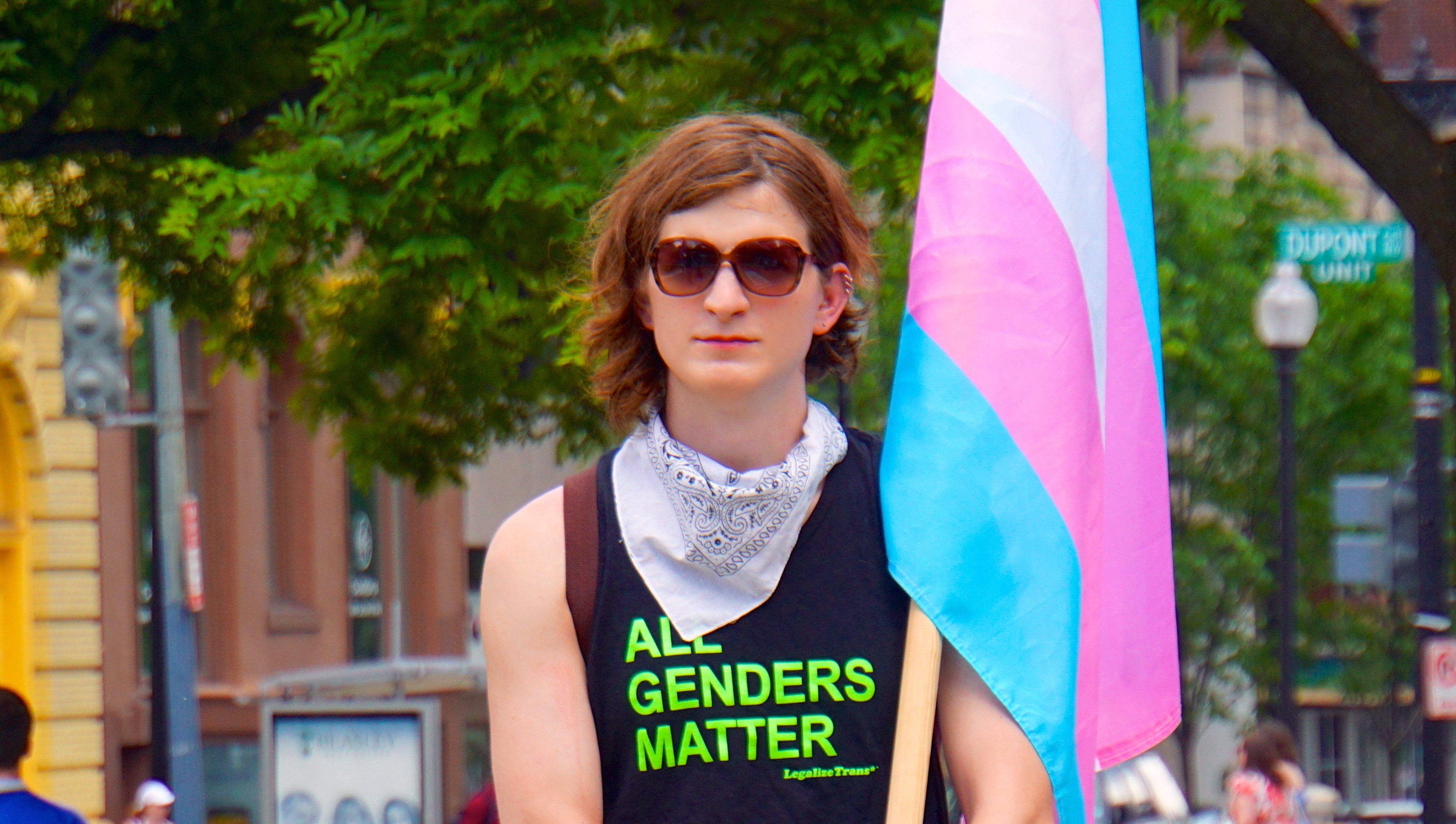
Homelessness is a prominent concern among LGBT+ people, particularly the transgender community. Nearly one-third of the respondents who completed the 2015 U.S. Transgender Survey reported homelessness at some point in their lives, with even higher rates (74%) among individuals whose families had rejected them.
The health impacts associated with structural violence prevent vulnerable populations from gaining access to basic needs. This is due to injustices embedded within institutions and social structures that exist in today’s society.
Developing skills of cultural competence requires an open heart and mind — and often an uncomfortable examination of personal biases. It takes time, but along the way physicians gain greater humility and compassion, which translates to expanded access and higher-quality care for patients.
Seeking to document the experiences of students in street medicine groups at medical schools across the country, I decided to start with my own institution, the University of Illinois Chicago College of Medicine.
Do-it-yourself (DIY) medicine is particularly appealing to those who wish to take their health into their own hands and remove costly, time-consuming physicians from the equation. Crucial, however, is the fact that these companies are independently run and thus are not regulated by any governing scientific body.
My eyes ran across the same paragraph for the fifth — or maybe even sixth — time in the span of 15 minutes. Though I was giving my undivided attention to the paragraph, I could not move past it; I was at a complete loss for how to convey my next point.
FQHCs serve complex patients, many with multiple comorbidities that have worsened due to lack of health care, health insurance or distrust of the health care system.
Nationally, our current medical education model fails to address the fundamental tenets of the U.S. health care system, health care policy, and business management. Despite the recent major shift in health care policy, medical schools have proved universally inept at equipping future doctors with the knowledge and tools they need to influence policy in their professional field and to thrive in their careers.
It has been a couple of months since I started collecting medical data at a local jail in Southern California. It easily became routine: I exchange my I.D. for a clip-on visitor’s badge, take the button-less elevator and hand signal the medical floor number, and wait for the security-monitored heavy steel doors to slide open and let me in.
It has become more and more evident with time that the health care delivery system in the United States is riddled with issues, which have led to many disagreements about policy because there is no clear and universally acceptable solution to our problems.
 Ashten Duncan, MPH, CPH (11 Posts)
Columnist, Medical Student Editor and Former Managing Editor (2017-2018)
OU-TU School of Community Medicine
Ashten Duncan is a third-year medical student at the OU-TU School of Community Medicine located in Tulsa, Oklahoma. A 2018-2019 Albert Schweitzer Fellow, he recently received his Master of Public Health (MPH) with an interdisciplinary focus from the University of Oklahoma Hudson College of Public Health. Ashten attended the University of Oklahoma for his undergraduate program, completing a Bachelor of Science (BS) in Microbiology and minors in Chemistry and French. An aspiring family physician, Ashten is currently on a National Health Service Corps scholarship. His research interests include hope theory, burnout in medical education, and positive psychology in vulnerable populations. Ashten is passionate about creative writing and what it represents. He has written pieces that have been published on KevinMD.com and in-Training.org and in Blood and Thunder and The Practical Playbook. Ashten is currently serving as Associate Author for the upcoming edition of First Aid for the USMLE Step 1.
The Lived Experience
As medical students, we sometimes lose sight of our purpose for going into medicine and feel that we are exerting ourselves excessively with little feedback from our environment. It is important that we remember that, while we are living through the experiences that come with our training, our future patients are also living through their own experiences. The focus of this column is to examine topics in positive psychology, lifestyle medicine, public health and other areas and reflect on how these topics relate to medical students, physicians and patients alike.