
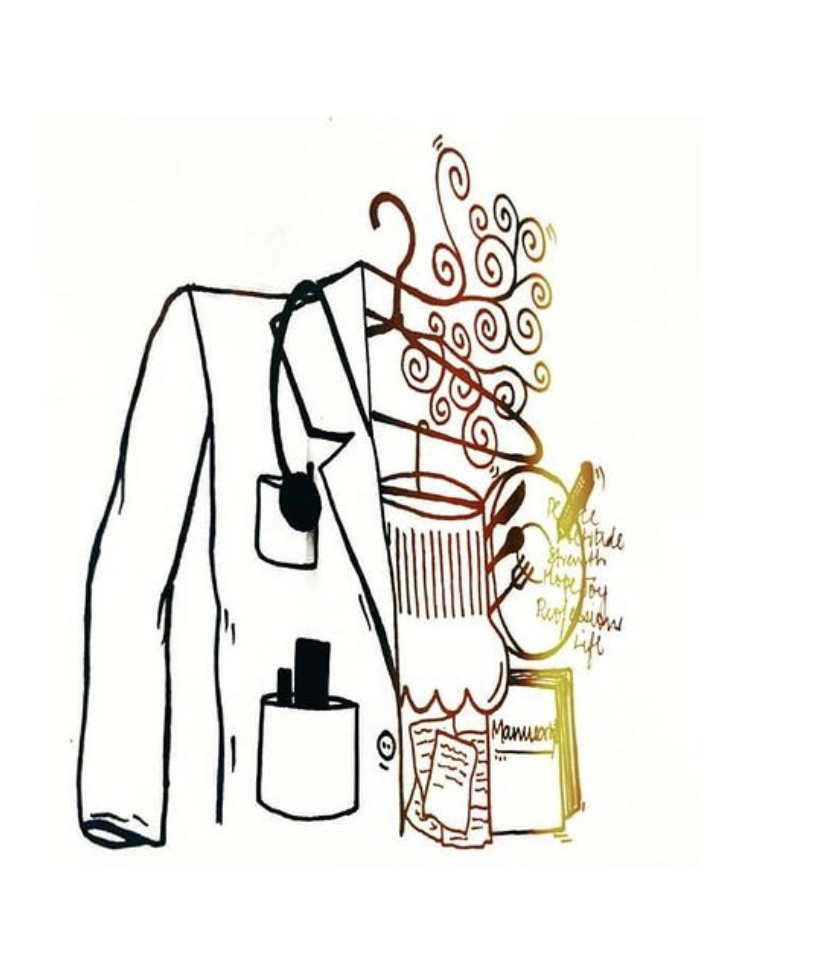
The Subtle Art of (Not) Reflecting
Another day passed as I approached the deadline of my latest assignment. Our professor asked students rotating in the ICU to reflect and write up a patient encounter that influenced them deeply.

Columnist
Kasturba Medical College
Vinayak is a fifth-year medical student at Kasturba Medical College in India. A research stint at Johns Hopkins got him interested in medical education. He is particularly interested in clinical competencies, affective milestones and the incorporation of humanities in MedEd, on which he delivered a TEDx talk. In his free time, he enjoys sleeping, eating and being a medical student.
In the Quest for Competence
Medical education today struggles to keep pace with actual medical practice. Moving from an information-driven curriculum to a value driven one has propelled a vast array of research and scholarship in teaching methods, assessments and competencies. In this column, I hope to share insights on some of these areas as well as call for learning that is more adaptive and less standardized.
Another day passed as I approached the deadline of my latest assignment. Our professor asked students rotating in the ICU to reflect and write up a patient encounter that influenced them deeply.
I believe these inadequate approaches circumvent the answer the interviewer is actually trying to provoke: are you self-aware enough to know your faults?
Every one of us is imperfect, fallible, and vulnerable to making mistakes. Being a strong physician requires self-reflection and awareness, and interviewers want to know if you are willing to be honest with yourself and others. I can’t tell you how to answer this question, but I can tell you how I did.
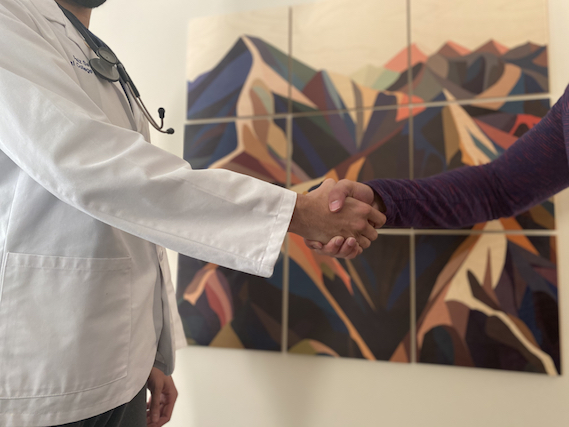
As we seek to understand this phenomenon, there are many subjective variables that contribute to the trust between patients and providers. Measuring trust in a reliable and consistent fashion is challenging in itself. With these limitations in mind, three salient factors are involved in the decline of patient trust in physicians: one, a commodified health care system; two, lack of quality time spent with the patient; and three, racial influences on the patient-provider relationship.
Regardless, with this data in mind, it is important for students in medical education to understand that we are entering the profession at a time where the reputation that precedes us is not ideal. This also means that the capacity to alter this perception is dependent on the way we practice upon entering the workforce.
Dr. Creagan was the Mayo Clinic president 1999 to 2001. He was responsible to the Mayo Clinic CEO who directed answered to the internal board of governors and the external trustees. He believes that this gave him a fascinating insight into what he called the “Masters Of The Universe.”

Remember why you’re here. Remember what you value. Decide what your ‘meaningful suffering’ is and don’t waver. For if we do, we too may one day find ourselves running down the hall, away from the very reason we decided to become doctors.
In this interview, we talk to Dr. Stephen J. Swensen. He is dedicated to the support of thoughtful leaders who aspire to nurture fulfillment of their staff. He is a recognized expert, researcher and speaker in the disciplines of leadership and burnout.

As soon as I let the door close quietly behind me, I turned to face the glaring, rude fluorescent lights of the operating room foyer. I felt my pupils constrict against their offensive shine as I ripped down my mask to suck in as much oxygen as my deflated lungs possibly could.

Current evidence suggests that much of human health is influenced more significantly by contextual factors like the social determinants of health than the direct receipt of health care. This relatively new understanding has challenged the notion of “physicianhood” and what it means to improve the health of entire populations and communities. With the influx of issues that the pandemic has brought with it, this new model for being a highly effective physician has become even more important.
In this episode we interview Dr. Alison Van Dyke. Dr Van Dyke joined the Data Quality, Analysis, and Interpretation Branch of the Surveillance Research Program (SRP) as Director of the SEER-linked Virtual Tissue Repository (VTR) Pilot Studies. For the VTR Pilot Studies, SRP works with SEER registries to obtain custom annotations of detailed treatment data for pancreas and female breast cancer cases which may have biospecimens available.
Rachelle’s winding journey to medical school is filled with twists and turns, with each fork in the road driving her in a novel direction. At age 20, she worked as a waitress, giving her the opportunity to travel and live in new places along the west coast and abroad. Each city brought a sense of excitement and adventure; each adventure brought her closer to finding her true calling.
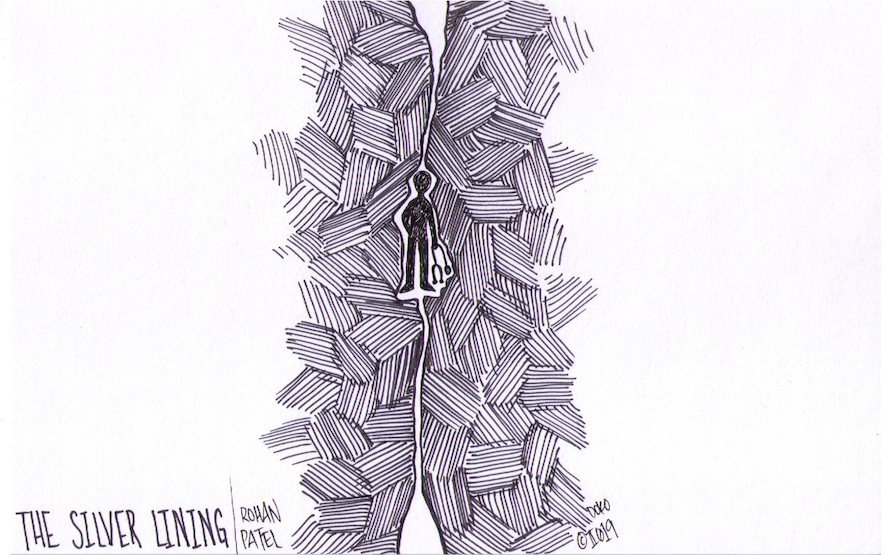
This phenomenon of imposter syndrome is prevalent in many of us pursuing medicine. Especially for those of us who are first-generation physicians, we are left to fend through uncharted territories. While we try to do our best to navigate this difficult path, we are left feeling that there is someone else better suited for our spot in medicine. We feel that we are not deserving of this privilege. As we pass through these high obstacles — basic sciences, board exams, core rotations, even electives — we stew in self-doubt after each success.

Contributing Writer
American University of the Caribbean School of Medicine
Rohan is a recent graduate of the American University of the Caribbean School of Medicine. He is pursuing radiation oncology at University Hospitals Seidman Cancer Center/Case Western Reserve University. His research interests encompass health disparities, social medicine, medical education, and patient safety. He graduated from the University of Illinois at Chicago with a Bachelor's of Science in biochemistry with a minor concentration in psychology. He enjoys traveling and exploring new languages and cultures, especially in Asia and the Pacific Islands.
The Silver Lining
From the outside, medicine is a grand profession – physicians and trainees work together to help those that are in need while saving lives. However, every day we are faced with darkness that does not get shown to outsiders. How we deal with these obstacles truly shapes our experiences within this profession, often leading to physician burnout. This column will focus on some of Rohan’s personal experiences facing the dark sides of medicine, while shedding light on how one can overcome these challenges, as there is always a silver lining through all the darkness.

