
Purpose
My third year had not been going as planned, and most days I was questioning my purpose in life, which I was once so sure of.

Contributing Writer
Florida State University College of Medicine
Salma is a medical student at Florida State University College of Medicine in Sarasota, FL, Class of 2025. In 2020, she graduated from Florida State University with a bachelor of science in interdisciplinary medical sciences. She enjoys reading, hiking, sketching, attending operas as well as writing poetry in her free time. After graduating medical school, Salma would like to pursue a career in internal medicine.

My third year had not been going as planned, and most days I was questioning my purpose in life, which I was once so sure of.
You never know what environment you are going to walk into at the start of a busy clinic day. Patients visit their doctors with a multitude of expectations and fears surrounding their medical treatment and care.
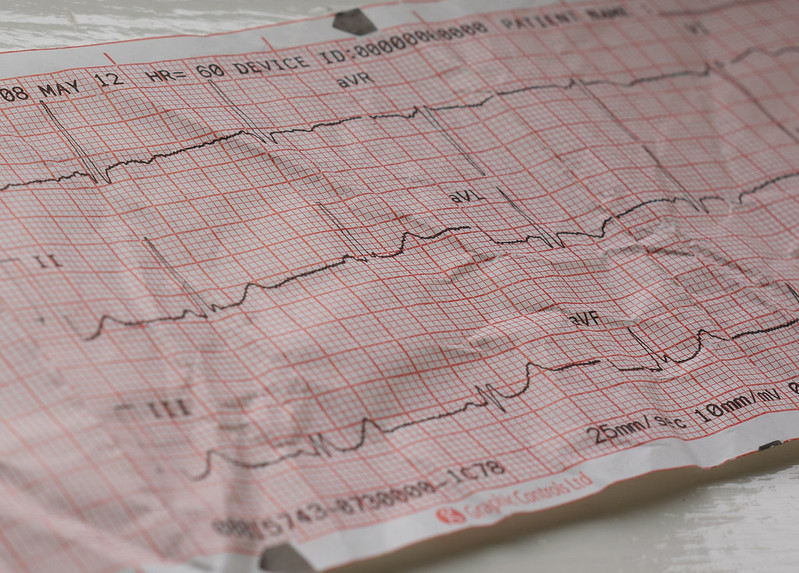
The rectangular device’s intrusive, sudden blare triggers a visceral response as I feel the plastic clip vibrate against my hip. I feel my palms flood like a wetland, sweaty fingers crashing against each other like driftwood washing onto shore. My mind wanders for a moment as I notice the reaction I’m experiencing.
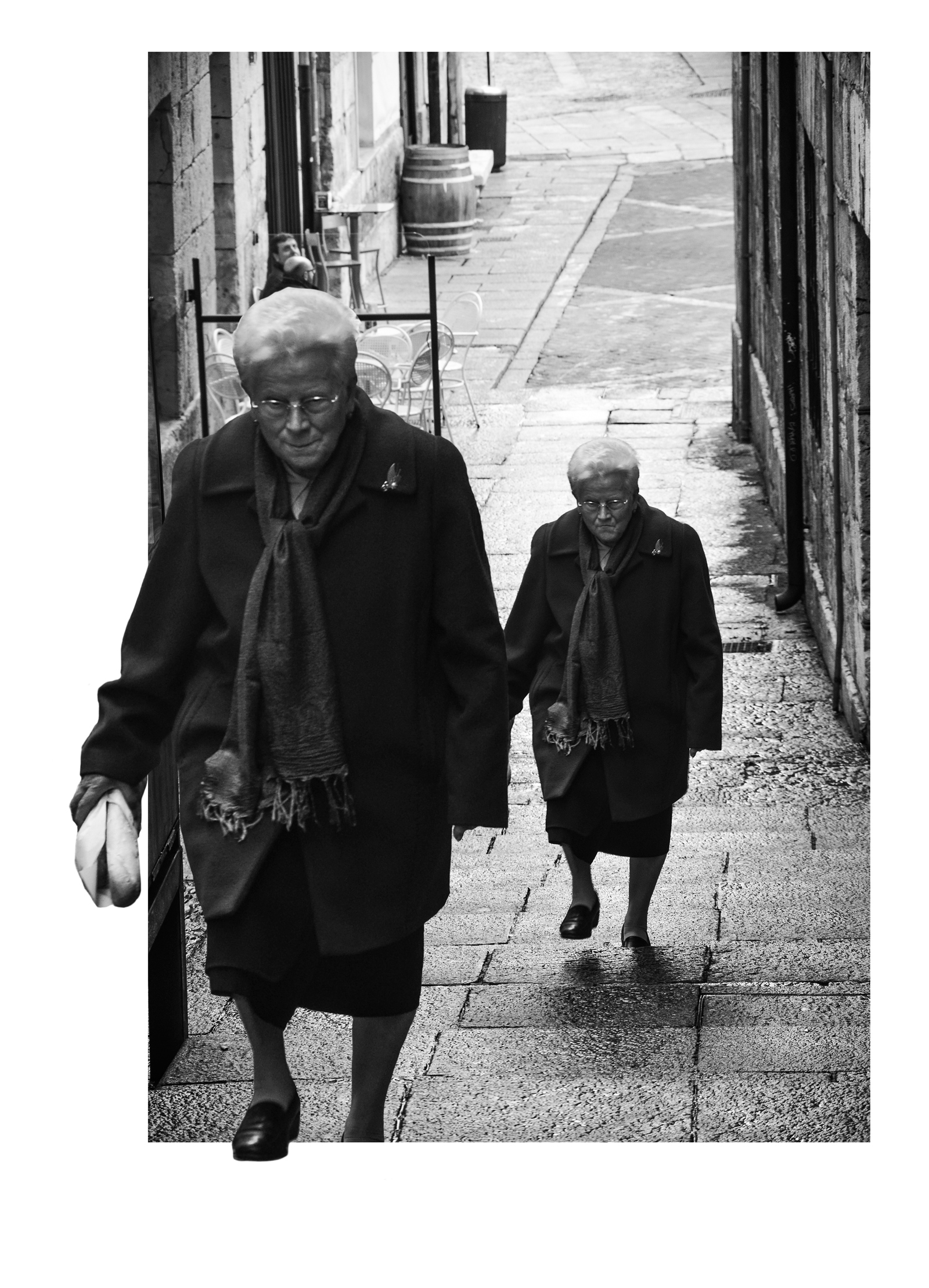
When I reflect on ways to implement holistic care for the patients I work with, I think of the impact of my mother as a primary caregiver for my abuela’s (grandmother’s) medical care, despite not having a medical background herself.
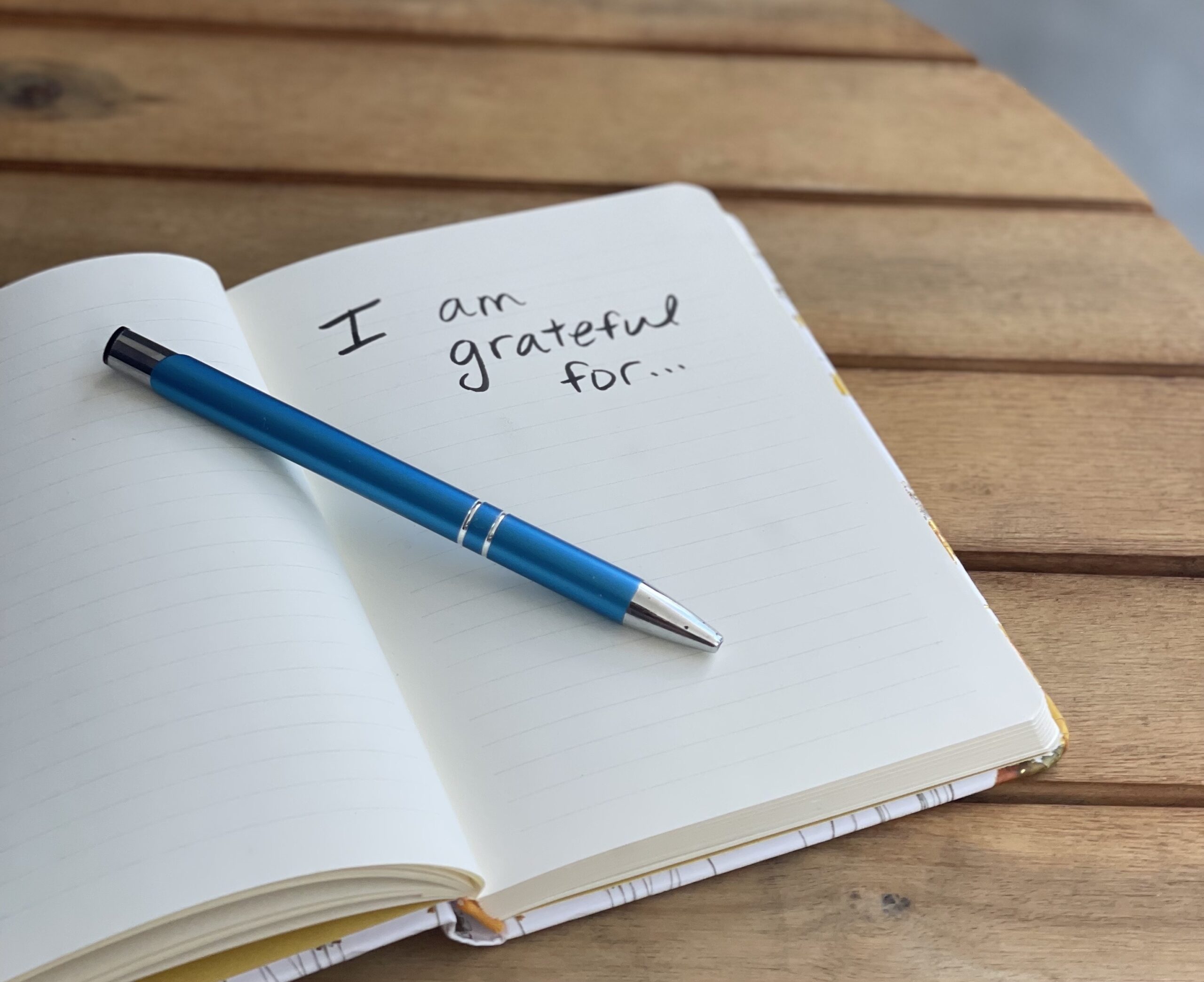
My eyes locked on the upside-down words scribbled on the paper that was torn from my preceptor’s notebook a few moments prior. Dear God, my patient wrote, I am grateful for this life.
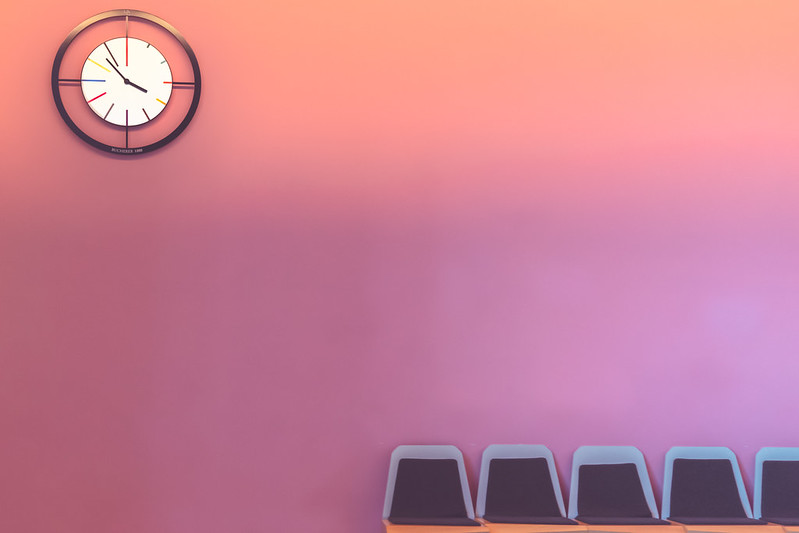
One young woman sits and waits patiently, scrolling on her phone to pass the time. A couple sits across the room talking softly to each other. The air feels light in the quiet room. A woman arrives, checks in, walks with heavy steps to a chair and sits down with a sigh.
As a future physician, this experience reminded me to remain empathetic, compassionate and unbiased in all aspects of patient care. By doing so, I can not only improve trust and connection with my patients but also ensure that my clinical judgment remains clear.
Most of all though, I tried to calm my racing mind and remind myself to just learn. And with that, I wondered, “What is the most important thing I can do today?”
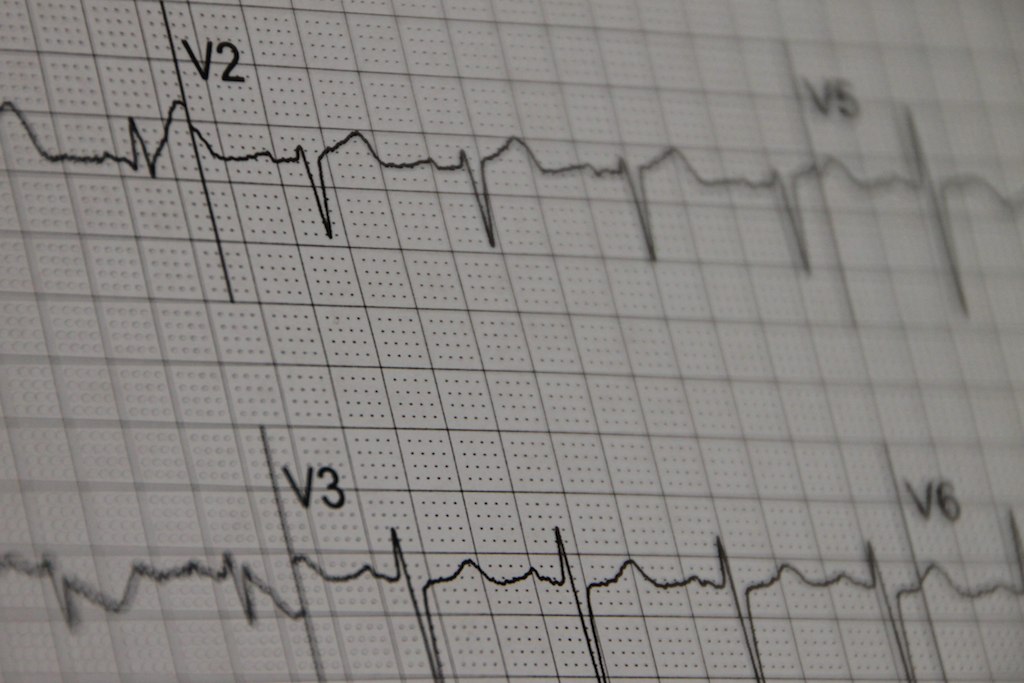
I opened their chart and scrolled to the recent notes section. A new title I had never seen before popped on the screen. There, at the top of the chart, “Deceased Note” was written in bold letters.
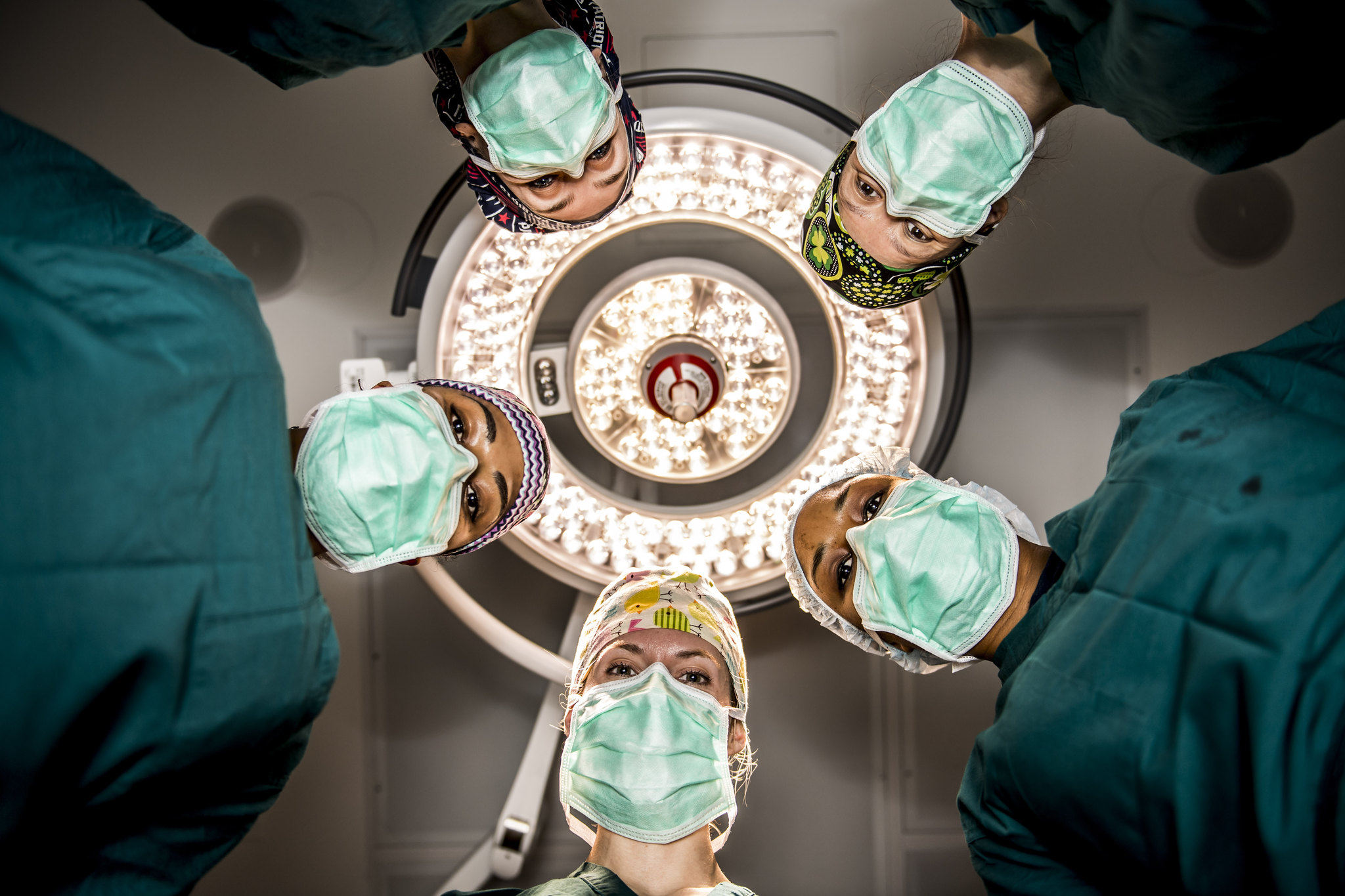
The beauty of medicine is that we are trained to see each person as an individual, not as a victim of their stereotypes. We are taught that we are more than our skin color, our religion, our clothing or our gender. But even though I see more than a patient’s demographic on static paper, those same patients, and sometimes even colleagues, fail to see me as more than just a woman.
As I completed my residency interviews, I recognized that we are hard pressed to find a better way to match burgeoning physicians with training programs searching for their next class of interns. Yet I also knew that neither I nor any other applicant could fit into a preconceived box or several sentence summary. I could not simply market myself as a humanist or an artist, or an activist or a researcher.
Upon reflection, my actions and feelings in caring for this patient reveal how truly afraid I was to be wrong; not necessarily about the diagnosis, but rather about whether the patient would be okay. Maybe coming in daily and opening her chart for good news was just me hoping that my initial impression was still right instead of coming to terms with the fact I was very wrong.
Contributing Writer
Albany Medical College
Andrew M. Cyr is a fourth year medical student at Albany Medical College in Albany, NY, class of 2023. Originally from Schenectady, NY, Andrew graduated from Boston University in 2019 with his Bachelor of Arts and Master of Arts in biochemistry and biotechnology. Outside of medicine, Andrew likes to cook, exercise, read, explore the city, and discover new music. Upon graduation in May 2023, he will begin his residency in internal medicine at the Zucker School of Medicine at Hofstra/Northwell NS/LIJ. Andrew hopes to pursue a career in cardiology.
