
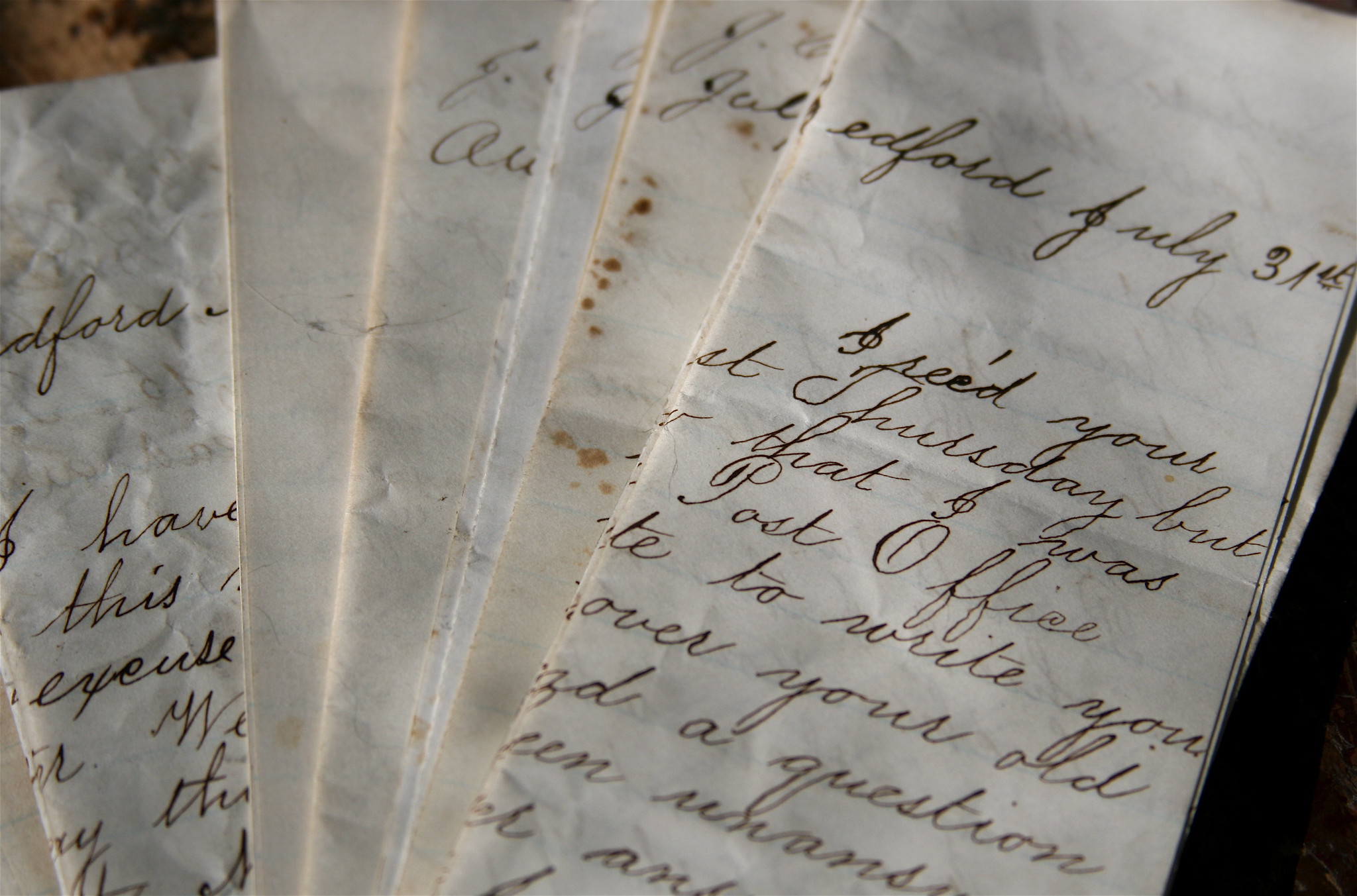
Epistolaries
He and I became friends and fell in love, in part over our shared love of running. I think he would be proud to see how quickly I cover the ground between the chemistry building, my house on campus and my car.

Columnist
Oakland University William Beaumont School of Medicine
Mallory Evans is a third-year medical student at Oakland University William Beaumont School of Medicine in Rochester, Michigan. She graduated from the University of Michigan in 2019 with a Bachelor of Science degree in cellular and molecular biology and a minor in German. When not studying, you can find her running many miles on woodland trails, perfecting a black bean burger recipe, or saying answers to Jeopardy! out loud at the TV. One day she hopes to pursue a career in internal medicine and pediatrics and travel to at least one place on every continent.
This is Water
This is Water is an attempt at documenting intentional living. This column will strive to highlight the extraordinary meaning of the often unnoticed, and to greet the hard and joyful parts of the medical school experience with gratitude (even when, especially when, we don't feel like it).
He and I became friends and fell in love, in part over our shared love of running. I think he would be proud to see how quickly I cover the ground between the chemistry building, my house on campus and my car.
My first day in the morgue was a shock to the system — the smell of death, the sight of rigor mortis and the comfort of everyone around me with the task at hand. I thought my prior health care experience prepared me for this, but it clearly did not.

She was a woman in her early twenties accompanied by her husband. She was a first-time expecting mother at 19 weeks gestation with twins. They had received regular prenatal care and had been doing everything as the doctor had instructed to ensure a healthy pregnancy. She made this appointment because she felt something was off, her motherly instincts already keen.
In a profession where we are trained to fight death around any corner, any day, students need to not only understand how to handle death in a medical setting but also how to cope with the weight we bring upon ourselves in end-of-life situations. No matter our past experiences, no matter our clinical training or how academically prepared we think we may be, it can be traumatic to feel the burden of responsibility for the loss of a life.
In the neuro intensive care unit, I took part in a meeting with my team to update a family on the status of their loved one. It was my first time in this type of meeting, especially for a patient that I was directly involved in caring for. To our team of medical professionals, he is our 51-year-old male patient with a 45-pack-year smoking history, but to his family, he’s a son, a husband and a father.
so one day / i can translate to my patients / what my family missed.
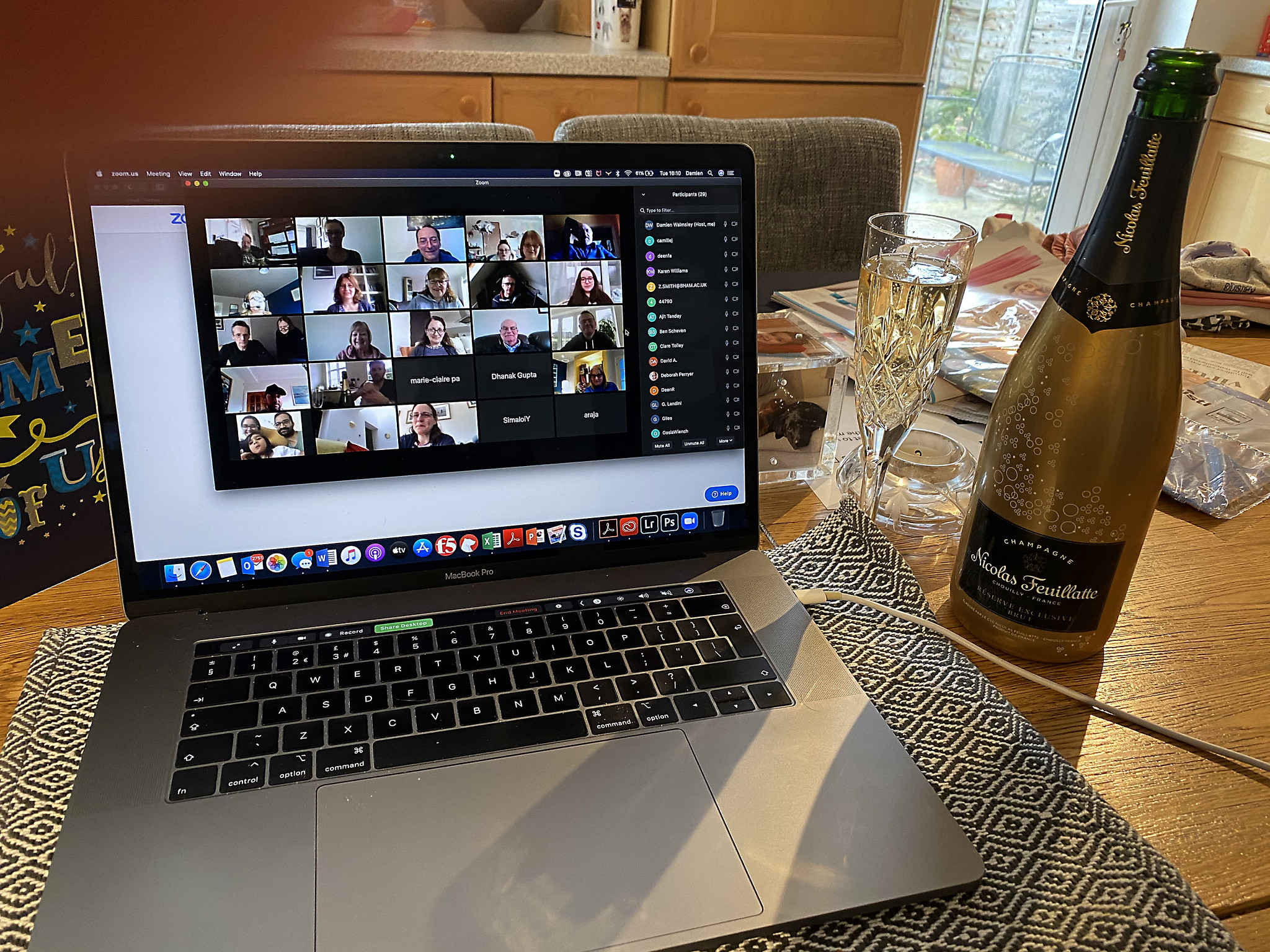
Engaging strangers with kind eyes rather than tender faces, / Air hugs rather than warm embraces, / Family Zoom calls rather than face-to-face visits.

I actually don’t remember his name; he wasn’t my patient. I just saw him during rounds every day during my internal medicine clerkship. He was in his late-80s, and he was very ill. He had a long history of COPD, most likely attributed to his even longer history of smoking. He had been admitted to our service for a severe respiratory infection a few days prior to me starting the rotation. This was my last rotation of my 3rd year, and I walked in thinking I had seen enough COPD patients to know exactly what to expect.
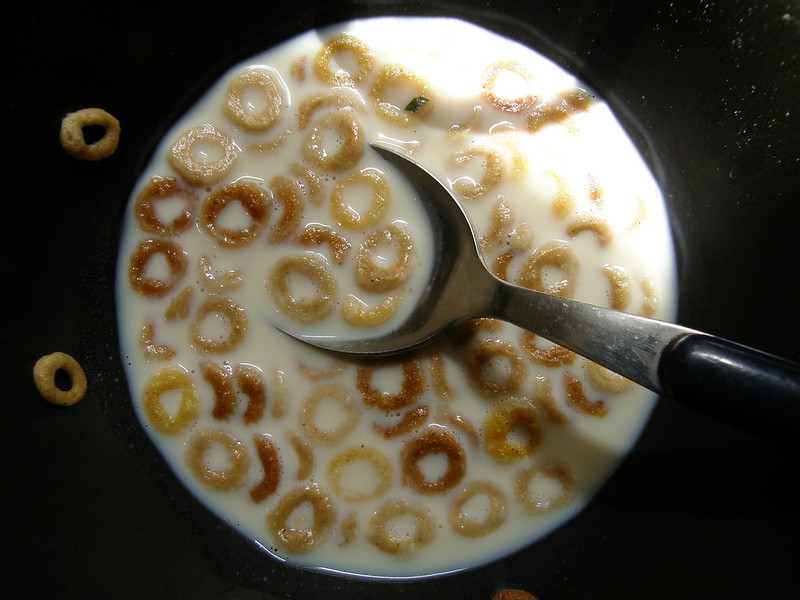
You were my first patient on my first inpatient rotation as a third-year medical student, which meant that I had absolutely no idea what was going on. I was mostly concerned with trying not to faint during presentations on morning rounds. I stared at your bowl of Cheerios, the cereal beginning to turn the skim milk a pale yellow. Your brow furrowed in annoyance behind your thick glasses.
You call me on a Thursday to tell me / You were diagnosed with leukemia in October.
While the professor moved to the next slide, my face visibly blanched. All I could hear was the drowning sound of my own heartbeat thumping in my ears. Is this true? I thought. Nothing we can do? Only five years of survival? Did this apply to my grandpa Baba? But Baba has been sick for six years!
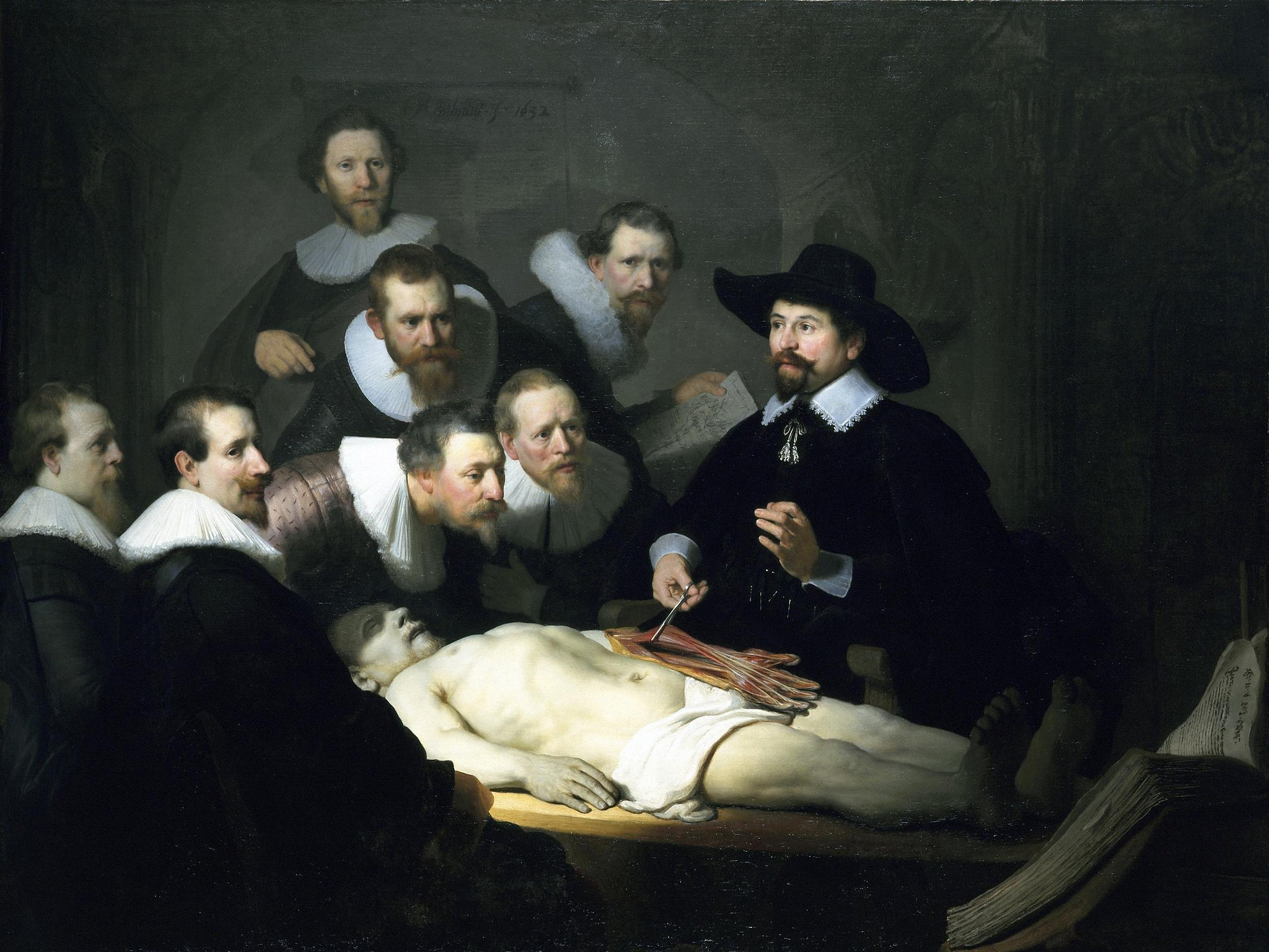
There were seven of us standing around the table as the attending surgeon debrided the infected fascia. The vascular surgeon came in the room and barked at us to identify the structures before us. “What’s that artery?” he interrogated us. “I’ll give you a hint,” he said, “there’s a deep and a superficial.” We named the sural nerve and iliotibialis band and the great saphenous vein. As we clamored around the table, I suddenly thought of the Rembrandt painting: The Anatomy Lesson of Dr. Nicolaes Tulp.

Writer-in-Training
UCF College of Medicine
Christina Seto is a member of the Class of 2021 at University of Central Florida College of Medicine. She received her undergraduate education at Barnard College of Columbia University in New York, where she majored in both English and Neuroscience & Behavior, and minored in Classics. She is originally from Los Angeles, CA. She is interested in medical humanities and does research in narrative medicine. In her spare time, she writes a food blog entitled Brunch with Bear, inspired by her severe food allergies.